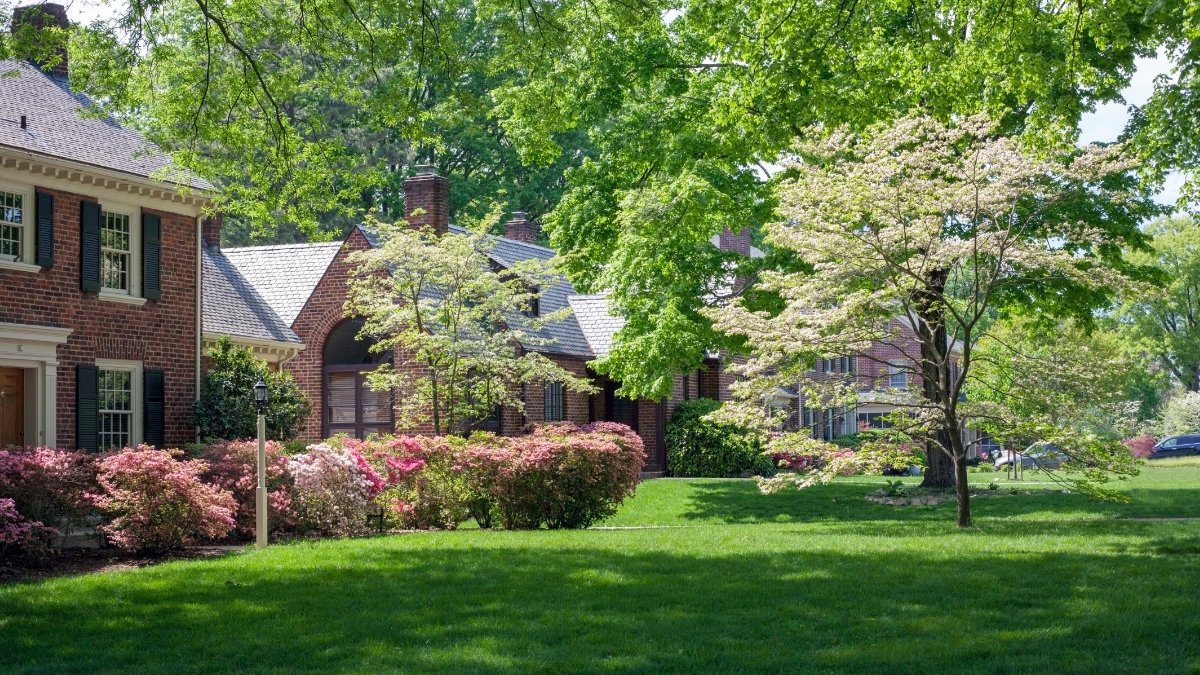
Buying a home in New Jersey can be exciting, but overlooking warning signs during the process can lead to expensive surprises after closing. Understanding common red flags when buying a house helps buyers evaluate properties more carefully, negotiate with confidence and avoid issues that could affect safety, maintenance costs and long-term property value.
Buying a home is one of the largest financial decisions most people will ever make. Whether you’re buying your first house, upgrading to a larger home for a growing family or investing in New Jersey real estate, it’s easy to get distracted by beautiful kitchens, updated bathrooms and attractive curb appeal.
But experienced real estate professionals know that some of the most important issues are often below the surface. Today’s dream house can quickly turn into a money pit if home buyers don’t pay attention to key warning signs during the buying process.
In New Jersey’s competitive market, buyers often feel the need to move fast. While timing can be important, missing major red flags can lead to costly repairs, safety concerns, insurance headaches and lower property value in the future.
Knowing the warning signs before making an offer can help buyers make informed decisions, negotiate more effectively and protect their investment.
At That British Agent, we help home buyers throughout New Jersey navigate the real estate process with confidence and clarity.
How To Identify Red Flags When Buying A Home
A home inspection is designed to uncover problems that may not be obvious during a showing or open house. However, buyers should also develop an eye for potential concerns before reaching the inspection stage.
Failure to recognize warning signs may result in:
- Unexpected repair costs
- Structural issues
- Safety risks
- Insurance challenges
- Reduced resale value
- Financial strain
- Ongoing maintenance expenses
The goal is not necessarily to avoid every home with problems. Buyers need to understand the seriousness of the issues and decide whether they are willing to address them.
Some concerns are relatively simple to fix, while others may require a substantial investment.
Understanding the Housing Market in New Jersey
New Jersey’s real estate landscape is diverse and includes:
- Single-family homes
- Townhouses
- Condominiums
- Multi-family properties
- Historic homes
- Luxury homes
Many New Jersey communities have older housing stock, making age-related concerns an important consideration for buyers.
Depending on when a home was built, there may be unique maintenance requirements throughout Bergen County, Essex County, Hudson County, Passaic County and surrounding areas.
Older homes often offer character and charm, but they can also present hidden challenges. Buyers exploring Bergen County communities should pay close attention to maintenance history and property condition.
Product / Service Summary
Real Estate Professional Advice From That British Agent
At That British Agent, we help buyers identify opportunities and potential concerns before making major real estate decisions.
Services we provide include:
- Buyer representation
- Real estate evaluations
- Market analysis
- Home search assistance
- Negotiation support
- Contract guidance
- Inspection coordination
- Local market expertise
We believe informed buyers make better decisions and enjoy greater peace of mind throughout the home-buying journey.
Red Flags Buyers Should Never Ignore
Every property is different, but some warning signs deserve immediate attention.
Structural Foundation Problems
Foundation issues can be among the most expensive home repairs a buyer may face.
Warning signs include:
- Large wall cracks
- Uneven ground around the property
- Doors that do not close properly
- Bowing basement walls
- Sloping floors
- Cracked foundation blocks
Minor settling can be normal, but any significant movement should always be evaluated by qualified professionals.
Water Damage & Moisture Problems
Water is one of the greatest threats to any home.
Look for:
- Water stains
- Mold growth
- Musty odors
- Wet basements
- Ceiling discoloration
- Peeling paint
Persistent moisture problems often indicate more serious drainage, waterproofing or structural concerns that should be investigated further.
Roof Issues
Replacing a roof can be a significant expense for homeowners.
Possible warning signs include:
- Missing roof shingles
- Dips in the roof line
- Water intrusion
- Moss growth
- Weather-related damage
- Aging roofing materials
Buyers should always ask about the age, maintenance history and condition of the roof before moving forward with a purchase.
Mold and Mildew Concerns
Mold can affect both the condition of a property and indoor air quality.
Common warning signs include:
- Visible mold growth
- Persistent musty odors
- Excess moisture
- Evidence of previous water damage
If mold is suspected, buyers should consider professional testing and inspection to determine the extent of the issue.
Electrical System Alert Indicators
Electrical problems can create serious safety concerns and costly upgrade requirements.
Old Wiring
Many older New Jersey homes may contain:
- Knob-and-tube wiring
- Aluminum wiring
- Aging electrical panels
These systems may not adequately support modern electrical demands.
Insufficient Power Capacity
Signs of an inadequate electrical system include:
- Frequent breaker trips
- Flickering lights
- Overloaded outlets
- Questionable wiring modifications
Electrical upgrades can be expensive but are often necessary to ensure safety and code compliance.
DIY Electrical Work
Improper electrical work should always be viewed as a serious concern.
Look for:
- Exposed wiring
- Missing outlet covers
- Loose or unstable installations
- Modifications completed without permits
Plumbing Issues Buyers Should Watch For
Many plumbing problems are not discovered until after closing, making careful evaluation especially important.
Low Water Pressure
Weak water pressure may indicate:
- Pipe corrosion
- Hidden leaks
- Municipal supply issues
- Outdated plumbing systems
Signs of Pipe Damage
Things to watch for include:
- Water stains
- Rust-colored water
- Active leaks
- Damaged fittings
Sewer Line Issues
Sewer repairs can be extremely expensive.
Possible warning signs include:
- Slow drainage
- Sewage odors
- Repeated plumbing clogs
- Wet spots in the yard
Signs of HVAC System Trouble
Heating and cooling systems are among the most expensive components of a home.
Old Equipment
Older systems may need replacement sooner than expected.
Buyers should ask about:
- Age of the furnace
- Age of the air conditioning system
- Maintenance history
- Warranty information
Poor Airflow
Poor airflow and uneven temperatures may indicate:
- Ductwork issues
- Equipment failures
- Insulation problems
Pest and Termite Damage
Pests can cause significant structural damage and hidden repair costs.
Signs of Termites
Typical warning signs include:
- Hollow-sounding wood
- Mud tubes
- Wood damage
- Discarded wings
Rodent Activity
Look for:
- Droppings
- Chewed materials
- Nesting evidence
- Unusual odors
Some properties may benefit from a professional pest inspection before closing.
External Red Flags
The exterior of a home often provides valuable clues about overall maintenance and property condition.
Drainage Problems
Poor drainage can contribute to:
- Structural damage
- Basement flooding
- Landscape erosion
Watch for:
- Standing water
- Improper grading
- Gutter problems
Cracked Driveways or Walkways
Surface cracks may indicate:
- Settlement issues
- Water problems
- Structural movement
- Lack of maintenance
Deferred maintenance can sometimes be a sign of larger unseen concerns.
Examples include:
- Rotting wood
- Peeling paint
- Damaged gutters
- Deteriorated siding
Environmental Problems in NJ Homes
Certain environmental factors deserve special attention when purchasing a home in New Jersey.
Flood Zone Risk
Some New Jersey properties are located in flood-prone areas.
Buyers should research:
- FEMA flood maps
- Flood insurance requirements
- Property flood history
Radon Exposure
Radon is a naturally occurring gas that can accumulate inside homes.
Testing is strongly recommended when purchasing a property.
Underground Storage Tanks
Older homes may contain underground oil storage tanks.
Potential concerns include:
- Environmental contamination
- Removal costs
- Insurance complications
Applications and Uses of Professional Buyer Representation
Working with an experienced real estate professional offers several advantages throughout the home-buying process.
Help with Property Assessments
Experienced agents can help buyers identify potential concerns before significant time and money are invested in a property.
Market Awareness
Local knowledge provides valuable insight into neighborhood trends, pricing patterns and property conditions.
Negotiation Assistance
Issues identified during the buying process can often become opportunities for negotiation.
Buyers may request:
- Price reductions
- Seller repairs
- Repair credits
Inspection Coordination
Professional guidance helps ensure inspections are scheduled properly and completed thoroughly.
Benefits of Early Identification of Red Flags
There are significant advantages to identifying potential concerns before closing.
Greater Financial Protection
Buyers can avoid unexpected repair expenses and make more informed financial decisions.
Stronger Negotiating Position
Knowledge gives buyers leverage when negotiating purchase terms and repair requests.
Greater Long-Term Satisfaction
Making informed decisions often leads to a more enjoyable homeownership experience.
Reduced Risk
Early identification of concerns helps prevent unpleasant surprises after closing.
Buyers interested in higher-end properties may also find value in reviewing our guide to luxury homes in Bergen County to better understand market opportunities and buyer considerations.
Qualities of Good Professional Home Buying Advice
Trusted buyer representation typically includes:
- Property evaluation guidance
- Market analysis
- Contract review assistance
- Inspection recommendations
- Negotiation expertise
- Local community knowledge
These services help buyers make informed decisions and move through the purchasing process with greater confidence.
Questions Every Buyer Must Ask
When buying a home, there are several important questions buyers should ask before making a commitment.
How Old Are the Major Systems?
Ask about:
- Age of the roof
- Age of the HVAC system
- Water heater age
- Electrical upgrades
Have Any Major Repairs Been Completed?
Understanding previous repairs provides valuable insight into how the property has been maintained over the years.
Have There Been Any Water Problems?
Water intrusion, flooding and moisture issues should always be discussed openly before proceeding with a purchase.
What Did Previous Inspections Reveal?
If available, prior inspection reports may provide valuable information about repairs, improvements and recurring concerns.
Were Permits Obtained for Renovations?
Unauthorized work can create legal, financial and insurance complications for future homeowners.
What Are the Expected Annual Maintenance Costs?
Understanding ongoing ownership costs helps buyers budget realistically and avoid future surprises.
How to Balance Red Flags with Opportunity
Not every red flag means a property should be eliminated from consideration.
Some issues may be:
- Easily repaired
- Negotiable
- Common in older homes
- Already reflected in the asking price
The key is understanding what needs to be repaired, how much it will cost and whether the investment makes sense before moving forward.
Professional inspections and expert guidance can provide valuable perspective when evaluating a property’s true condition and long-term value.
Protecting Your Investment Starts Before You Buy
Buying a home in New Jersey is exciting, but it is also a decision that deserves careful evaluation. Beautiful finishes and strong curb appeal can make a great first impression, yet buyers should never overlook warning signs related to structure, water damage, roofing, electrical systems, plumbing, environmental concerns or deferred maintenance.
Recognizing these red flags early and working with experienced professionals can help buyers make informed decisions, avoid expensive surprises and protect their long-term investment.
At That British Agent, we are committed to helping New Jersey homebuyers navigate the market with confidence through local knowledge, honest guidance and professional buyer representation.
Meet That British Agent and call 201-481-2891.
We can help you find the right home and avoid costly mistakes many buyers overlook.
Buying a home in New Jersey can be exciting, but overlooking warning signs during the process can lead to expensive surprises after closing. Understanding common red flags when buying a house helps buyers evaluate properties more carefully, negotiate with confidence and avoid issues that could affect safety, maintenance costs and long-term property value.
Buying a home is one of the largest financial decisions most people will ever make. Whether you’re buying your first house, upgrading to a larger home for a growing family or investing in New Jersey real estate, it’s easy to get distracted by beautiful kitchens, updated bathrooms and attractive curb appeal.
But experienced real estate professionals know that some of the most important issues are often below the surface. Today’s dream house can quickly turn into a money pit if home buyers don’t pay attention to key warning signs during the buying process.
In New Jersey’s competitive market, buyers often feel the need to move fast. While timing can be important, missing major red flags can lead to costly repairs, safety concerns, insurance headaches and lower property value in the future.
Knowing the warning signs before making an offer can help buyers make informed decisions, negotiate more effectively and protect their investment.
At That British Agent, we help home buyers throughout New Jersey navigate the real estate process with confidence and clarity.
How To Identify Red Flags When Buying A Home
A home inspection is designed to uncover problems that may not be obvious during a showing or open house. However, buyers should also develop an eye for potential concerns before reaching the inspection stage.
Failure to recognize warning signs may result in:
- Unexpected repair costs
- Structural issues
- Safety risks
- Insurance challenges
- Reduced resale value
- Financial strain
- Ongoing maintenance expenses
The goal is not necessarily to avoid every home with problems. Buyers need to understand the seriousness of the issues and decide whether they are willing to address them.
Some concerns are relatively simple to fix, while others may require a substantial investment.
Understanding the Housing Market in New Jersey
New Jersey’s real estate landscape is diverse and includes:
- Single-family homes
- Townhouses
- Condominiums
- Multi-family properties
- Historic homes
- Luxury homes
Many New Jersey communities have older housing stock, making age-related concerns an important consideration for buyers.
Depending on when a home was built, there may be unique maintenance requirements throughout Bergen County, Essex County, Hudson County, Passaic County and surrounding areas.
Older homes often offer character and charm, but they can also present hidden challenges. Buyers exploring Bergen County communities should pay close attention to maintenance history and property condition.
Product / Service Summary
Real Estate Professional Advice From That British Agent
At That British Agent, we help buyers identify opportunities and potential concerns before making major real estate decisions.
Services we provide include:
- Buyer representation
- Real estate evaluations
- Market analysis
- Home search assistance
- Negotiation support
- Contract guidance
- Inspection coordination
- Local market expertise
We believe informed buyers make better decisions and enjoy greater peace of mind throughout the home-buying journey.
Red Flags Buyers Should Never Ignore
Every property is different, but some warning signs deserve immediate attention.
Structural Foundation Problems
Foundation issues can be among the most expensive home repairs a buyer may face.
Warning signs include:
- Large wall cracks
- Uneven ground around the property
- Doors that do not close properly
- Bowing basement walls
- Sloping floors
- Cracked foundation blocks
Minor settling can be normal, but any significant movement should always be evaluated by qualified professionals.
Water Damage & Moisture Problems
Water is one of the greatest threats to any home.
Look for:
- Water stains
- Mold growth
- Musty odors
- Wet basements
- Ceiling discoloration
- Peeling paint
Persistent moisture problems often indicate more serious drainage, waterproofing or structural concerns that should be investigated further.
Roof Issues
Replacing a roof can be a significant expense for homeowners.
Possible warning signs include:
- Missing roof shingles
- Dips in the roof line
- Water intrusion
- Moss growth
- Weather-related damage
- Aging roofing materials
Buyers should always ask about the age, maintenance history and condition of the roof before moving forward with a purchase.
Mold and Mildew Concerns
Mold can affect both the condition of a property and indoor air quality.
Common warning signs include:
- Visible mold growth
- Persistent musty odors
- Excess moisture
- Evidence of previous water damage
If mold is suspected, buyers should consider professional testing and inspection to determine the extent of the issue.
Electrical System Alert Indicators
Electrical problems can create serious safety concerns and costly upgrade requirements.
Old Wiring
Many older New Jersey homes may contain:
- Knob-and-tube wiring
- Aluminum wiring
- Aging electrical panels
These systems may not adequately support modern electrical demands.
Insufficient Power Capacity
Signs of an inadequate electrical system include:
- Frequent breaker trips
- Flickering lights
- Overloaded outlets
- Questionable wiring modifications
Electrical upgrades can be expensive but are often necessary to ensure safety and code compliance.
DIY Electrical Work
Improper electrical work should always be viewed as a serious concern.
Look for:
- Exposed wiring
- Missing outlet covers
- Loose or unstable installations
- Modifications completed without permits
Plumbing Issues Buyers Should Watch For
Many plumbing problems are not discovered until after closing, making careful evaluation especially important.
Low Water Pressure
Weak water pressure may indicate:
- Pipe corrosion
- Hidden leaks
- Municipal supply issues
- Outdated plumbing systems
Signs of Pipe Damage
Things to watch for include:
- Water stains
- Rust-colored water
- Active leaks
- Damaged fittings
Sewer Line Issues
Sewer repairs can be extremely expensive.
Possible warning signs include:
- Slow drainage
- Sewage odors
- Repeated plumbing clogs
- Wet spots in the yard
Signs of HVAC System Trouble
Heating and cooling systems are among the most expensive components of a home.
Old Equipment
Older systems may need replacement sooner than expected.
Buyers should ask about:
- Age of the furnace
- Age of the air conditioning system
- Maintenance history
- Warranty information
Poor Airflow
Poor airflow and uneven temperatures may indicate:
- Ductwork issues
- Equipment failures
- Insulation problems
Pest and Termite Damage
Pests can cause significant structural damage and hidden repair costs.
Signs of Termites
Typical warning signs include:
- Hollow-sounding wood
- Mud tubes
- Wood damage
- Discarded wings
Rodent Activity
Look for:
- Droppings
- Chewed materials
- Nesting evidence
- Unusual odors
Some properties may benefit from a professional pest inspection before closing.
External Red Flags
The exterior of a home often provides valuable clues about overall maintenance and property condition.
Drainage Problems
Poor drainage can contribute to:
- Structural damage
- Basement flooding
- Landscape erosion
Watch for:
- Standing water
- Improper grading
- Gutter problems
Cracked Driveways or Walkways
Surface cracks may indicate:
- Settlement issues
- Water problems
- Structural movement
- Lack of maintenance
Deferred maintenance can sometimes be a sign of larger unseen concerns.
Examples include:
- Rotting wood
- Peeling paint
- Damaged gutters
- Deteriorated siding
Environmental Problems in NJ Homes
Certain environmental factors deserve special attention when purchasing a home in New Jersey.
Flood Zone Risk
Some New Jersey properties are located in flood-prone areas.
Buyers should research:
- FEMA flood maps
- Flood insurance requirements
- Property flood history
Radon Exposure
Radon is a naturally occurring gas that can accumulate inside homes.
Testing is strongly recommended when purchasing a property.
Underground Storage Tanks
Older homes may contain underground oil storage tanks.
Potential concerns include:
- Environmental contamination
- Removal costs
- Insurance complications
Applications and Uses of Professional Buyer Representation
Working with an experienced real estate professional offers several advantages throughout the home-buying process.
Help with Property Assessments
Experienced agents can help buyers identify potential concerns before significant time and money are invested in a property.
Market Awareness
Local knowledge provides valuable insight into neighborhood trends, pricing patterns and property conditions.
Negotiation Assistance
Issues identified during the buying process can often become opportunities for negotiation.
Buyers may request:
- Price reductions
- Seller repairs
- Repair credits
Inspection Coordination
Professional guidance helps ensure inspections are scheduled properly and completed thoroughly.
Benefits of Early Identification of Red Flags
There are significant advantages to identifying potential concerns before closing.
Greater Financial Protection
Buyers can avoid unexpected repair expenses and make more informed financial decisions.
Stronger Negotiating Position
Knowledge gives buyers leverage when negotiating purchase terms and repair requests.
Greater Long-Term Satisfaction
Making informed decisions often leads to a more enjoyable homeownership experience.
Reduced Risk
Early identification of concerns helps prevent unpleasant surprises after closing.
Buyers interested in higher-end properties may also find value in reviewing our guide to luxury homes in Bergen County to better understand market opportunities and buyer considerations.
Qualities of Good Professional Home Buying Advice
Trusted buyer representation typically includes:
- Property evaluation guidance
- Market analysis
- Contract review assistance
- Inspection recommendations
- Negotiation expertise
- Local community knowledge
These services help buyers make informed decisions and move through the purchasing process with greater confidence.
Questions Every Buyer Must Ask
When buying a home, there are several important questions buyers should ask before making a commitment.
How Old Are the Major Systems?
Ask about:
- Age of the roof
- Age of the HVAC system
- Water heater age
- Electrical upgrades
Have Any Major Repairs Been Completed?
Understanding previous repairs provides valuable insight into how the property has been maintained over the years.
Have There Been Any Water Problems?
Water intrusion, flooding and moisture issues should always be discussed openly before proceeding with a purchase.
What Did Previous Inspections Reveal?
If available, prior inspection reports may provide valuable information about repairs, improvements and recurring concerns.
Were Permits Obtained for Renovations?
Unauthorized work can create legal, financial and insurance complications for future homeowners.
What Are the Expected Annual Maintenance Costs?
Understanding ongoing ownership costs helps buyers budget realistically and avoid future surprises.
How to Balance Red Flags with Opportunity
Not every red flag means a property should be eliminated from consideration.
Some issues may be:
- Easily repaired
- Negotiable
- Common in older homes
- Already reflected in the asking price
The key is understanding what needs to be repaired, how much it will cost and whether the investment makes sense before moving forward.
Professional inspections and expert guidance can provide valuable perspective when evaluating a property’s true condition and long-term value.
Protecting Your Investment Starts Before You Buy
Buying a home in New Jersey is exciting, but it is also a decision that deserves careful evaluation. Beautiful finishes and strong curb appeal can make a great first impression, yet buyers should never overlook warning signs related to structure, water damage, roofing, electrical systems, plumbing, environmental concerns or deferred maintenance.
Recognizing these red flags early and working with experienced professionals can help buyers make informed decisions, avoid expensive surprises and protect their long-term investment.
At That British Agent, we are committed to helping New Jersey homebuyers navigate the market with confidence through local knowledge, honest guidance and professional buyer representation.
Meet That British Agent and call 201-481-2891.
We can help you find the right home and avoid costly mistakes many buyers overlook.
Frequently Asked Questions
What’s the biggest red flag when buying a house?
One of the most serious and costly problems buyers may face is foundation issues.
Can water damage stop me from buying a home?
Not necessarily, but buyers should fully assess the source, severity and repair costs before moving forward.
How important is a home inspection?
A professional home inspection is one of the most important steps in the home-buying process.
Are older New Jersey homes bad investments?
No. Many older homes offer excellent value but require careful evaluation and inspection.
What should I do if I discover mold?
Have qualified professionals evaluate the issue to determine its extent and remediation requirements.
How can I tell if a roof needs replacing?
Common signs include visible wear, leaks, missing shingles and advanced age.
How common is radon in New Jersey?
Radon can be found throughout many areas of New Jersey, which is why testing is recommended.
How can I identify foundation problems?
Cracks, uneven floors, sticking doors and wall movement may indicate foundation concerns.
Should I be concerned about underground oil tanks?
Yes. Underground oil tanks can create environmental, financial and insurance-related liabilities.
Can red flags help during negotiations?
Yes. Inspection findings often support repair requests, seller concessions or price adjustments.
Are plumbing problems expensive to repair?
Costs vary, but major pipe or sewer line issues can be significant expenses.
How can I verify whether renovations were approved?
Permit history can typically be confirmed through local municipal records.
Should I buy a house with deferred maintenance?
That depends on the extent of the issues, repair costs and your willingness to address them.
Why work with a buyer’s agent?
A buyer’s agent provides guidance, negotiation support and local market expertise throughout the purchase process.
Why choose That British Agent?
That British Agent offers local knowledge, honest advice, skilled negotiation and dedicated buyer representation throughout New Jersey.